Overview: A Revised Path for NASA's Next Lunar Step
NASA's ambitious Artemis program, designed to return humans to the Moon, has encountered a significant schedule adjustment. During a recent congressional briefing, NASA Administrator Jared Isaacman revealed that the agency's next crewed mission, Artemis III, will now launch no earlier than late 2027. This delay stems from revised timelines provided by SpaceX and Blue Origin, the two primary contractors developing lunar landers for the agency. Originally intended to land astronauts on the lunar surface, Artemis III has been redesigned as an Earth orbit test flight, marking a strategic pivot in the program's development.
The Revised Timeline and Mission Profile
Administrator Isaacman told lawmakers that both SpaceX (with its Starship Human Landing System) and Blue Origin (with the Blue Moon lander) have indicated they could have their spacecraft ready for an Earth orbit rendezvous by late 2027. This date is somewhat later than NASA's previous internal schedules, which had targeted an earlier lunar landing attempt. The shift reflects the complexity of developing new human-rated landers and the need to validate systems in a controlled environment before committing to a lunar voyage.
Why Earth Orbit?
Artemis III will not fly to the Moon. Instead, NASA plans to launch an Orion capsule carrying a team of astronauts to low-Earth orbit, where it will rendezvous and potentially dock with one or both of the commercial landers. This approach allows engineers to test critical systems—such as docking mechanisms, life support interfaces, and propulsion—at a fraction of the cost and risk of a full lunar mission. The details of the flight plan remain under review, with key questions about the orbit's altitude and the configuration of the Space Launch System (SLS) rocket still unanswered.
Technical Decisions: SLS Upper Stage and Orbit Altitude
A mission to low-Earth orbit, just a few hundred miles in altitude, may not require NASA to use up an SLS upper stage that is already built and in storage. By reserving that unit, the agency could save it for the following Artemis mission—potentially a true lunar landing attempt. However, launching into a higher orbit would necessitate using the upper stage, but it would allow NASA to perform tests in an environment more similar to the Moon, including radiation exposure and thermal conditions.
Preserving Resources for the Lunar Landing
The decision on orbit altitude is a trade-off between conserving hardware and maximizing test fidelity. Using an existing upper stage for a low-altitude mission would preserve the unit for subsequent flights, where it could be critical for translunar injection. But a higher orbit could provide valuable data on spacecraft performance outside Earth's protective magnetosphere, reducing unknowns before the first landing attempt. NASA is currently evaluating these options to balance schedule, cost, and mission success.
The Centaur V Upgrade
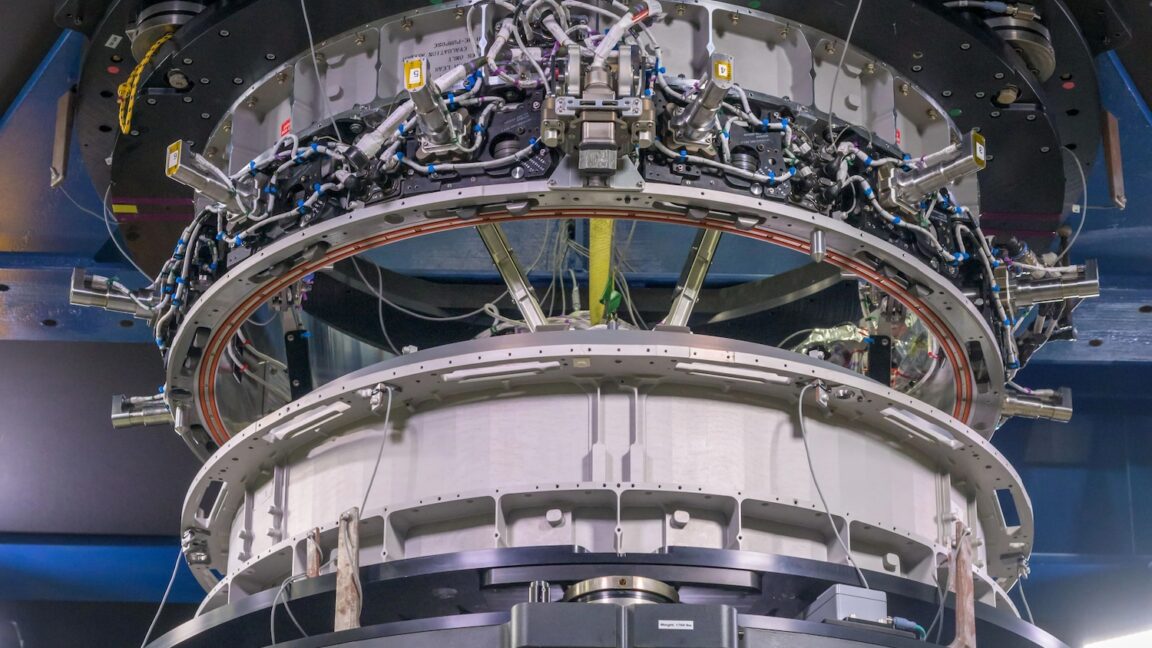
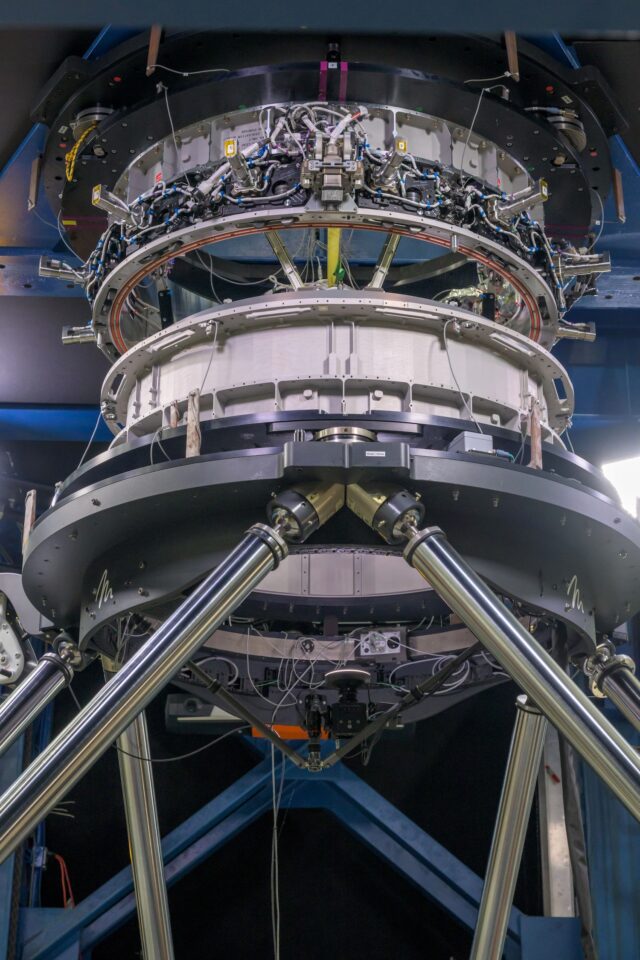
To support future missions after the existing upper stages are depleted, NASA is procuring a new commercial upper stage: the Centaur V from United Launch Alliance (ULA). This upgrade will pair with the SLS rocket's core stage, providing enhanced performance for lunar trajectories. The Centaur V will replace the venerable Interim Cryogenic Propulsion Stage (ICPS) used on early Artemis flights, offering increased thrust and efficiency. Its development is on track to support missions beyond Artemis III, ensuring a steady cadence of lunar operations.
Looking Ahead: Impact on Artemis Program
The revised Artemis III mission underscores the iterative nature of deep-space exploration. By testing lander systems in Earth orbit, NASA can de-risk the complex technologies required for a lunar landing. SpaceX and Blue Origin, meanwhile, continue to refine their vehicles. SpaceX's Starship is undergoing orbital tests, while Blue Origin is advancing its Blue Moon design. The late-2027 target provides a realistic timeframe for development, integration, and flight certification.
This schedule also affects NASA's broader Artemis timeline. The first crewed lunar landing, once hoped for as early as 2025, is now likely to slip into the 2028-2030 timeframe. However, the Earth orbit test offers a valuable intermediate milestone, demonstrating the agency's commitment to safety and incremental progress. As Administrator Isaacman emphasized, "We're putting this in pencil—not ink—because spaceflight demands flexibility."
For more on the Artemis program and its evolving missions, see our related articles on program overview and SLS configuration options.