When a major philanthropic effort aims to reshape economic security in rural America, the details matter. The Rural Guaranteed Minimum Income Initiative, born from a pledge to “Share the American Dream,” combines immediate relief with long-term structural change. Over the past year, the project has distributed $21 million in emergency funds, sparked national conversations about wealth redistribution, and laid a blueprint for sustainable community support. Here are ten essential things you should know about this groundbreaking initiative, from its philosophical roots to its real-world impact.
1. The Philosophy: ‘From Those to Whom Much Is Given’
The driving force behind the initiative is the belief that privilege carries responsibility. The quote “From those to whom much is given, much is expected” — attributed to Mary Gates — serves as a moral anchor. For the founders, this is not a passive acknowledgment but an active call to action. They argue that those who have benefited from societal systems must reinvest in those same systems to level the playing field. This philosophy transforms charity from an occasional gesture into a sustained obligation, especially in rural areas where economic opportunity often lags behind urban centers.
2. The Core Question: ‘Do We Have Everything We Need?’
A recurring theme is the question of sufficiency. As one partner put it, “We have everything we need. How do we make sure everybody has what they need?” This reframes the conversation from scarcity to surplus. Instead of asking “How much can we give?” it asks “What does a decent life require?” The answer includes safe housing, enough food, and healthcare. The initiative’s architects contend that basic security should not be a privilege but a universal baseline. This perspective directly informs the choice to focus on guaranteed minimum income as a tool to close gaps in rural communities.
3. The Pledge: Two Commitments for a Fairer America
In the original call to action, Americans were invited to take a two-part pledge within the “Share the American Dream” campaign. First: support organizations already effectively helping those most in need across the country right now. Second: within five years, contribute public dedications of time or funds toward longer-term efforts to keep the American Dream fair and attainable for future generations. This dual focus — immediate relief and systemic change — is the backbone of the Rural Guaranteed Minimum Income Initiative. It ensures that emergency aid does not replace, but complements, structural reforms.
4. Immediate Action: $21 Million in Emergency Donations
Beyond the initial $1 million distributed to eight charities in January 2025, the initiative quickly recognized escalating needs. Within months, an additional $13 million was deployed, bringing the total to $21 million. These funds were directed toward organizations addressing urgent crises ranging from disaster response to digital infrastructure. The rapid scale-up demonstrates a flexible, responsive approach. Rather than sticking rigidly to a plan, the leadership monitored ground-level conditions and adjusted accordingly. This agility is critical in rural areas, where small shifts can have outsized impacts on vulnerable populations.
5. A Diverse Portfolio of Beneficiaries
The list of supported organizations spans a wide spectrum: Team Rubicon ($1M), Children’s Hunger Fund ($1M), PEN America ($1M), The Trevor Project ($1M), NAACP Legal Defense Fund ($1M + $100K), First Generation Investors ($1M), Global Refuge ($1M), Planned Parenthood ($1M), VoteVets ($2M), Mastodon ($1.5M), 404 Media ($1.1M), Ryan Broderick/Garbage Day ($1M), Internet Archive ($1M), Common Crawl Foundation ($1M), Wikipedia/Wikimedia Foundation ($1M), Internet Security Research Group ($1M), DNA Lounge ($1M), Murena ($500K), Sharewell ($300K), Precious Plastic ($100K), Economic Security Project ($100K), Rural Democracy Initiative ($100K), Civic Nation ($100K), Sojourn Project ($750K), Alameda Food Bank ($150K), and Urban Compassion Project ($75K). This variety shows a belief that systemic change requires support for media, privacy, mental health, legal defense, hunger relief, and beyond.
6. Short-Term Needs vs. Long-Term Strategy
One of the initiative’s key lessons is that reactive, short-term fixes alone create a never-ending cycle. As the founders note, “You can’t take a completely short-term view and fight each individual fire reactively… We also have to do fire abatement.” This means investing in policies and structures that prevent crises before they erupt. For rural communities, that could mean strengthening local economies, improving broadband access, or creating income floors. The Rural Guaranteed Minimum Income Initiative balances emergency grants with a commitment to research and advocacy for guaranteed income as a long-term solution.
7. The Specific Role of Guaranteed Minimum Income in Rural Areas
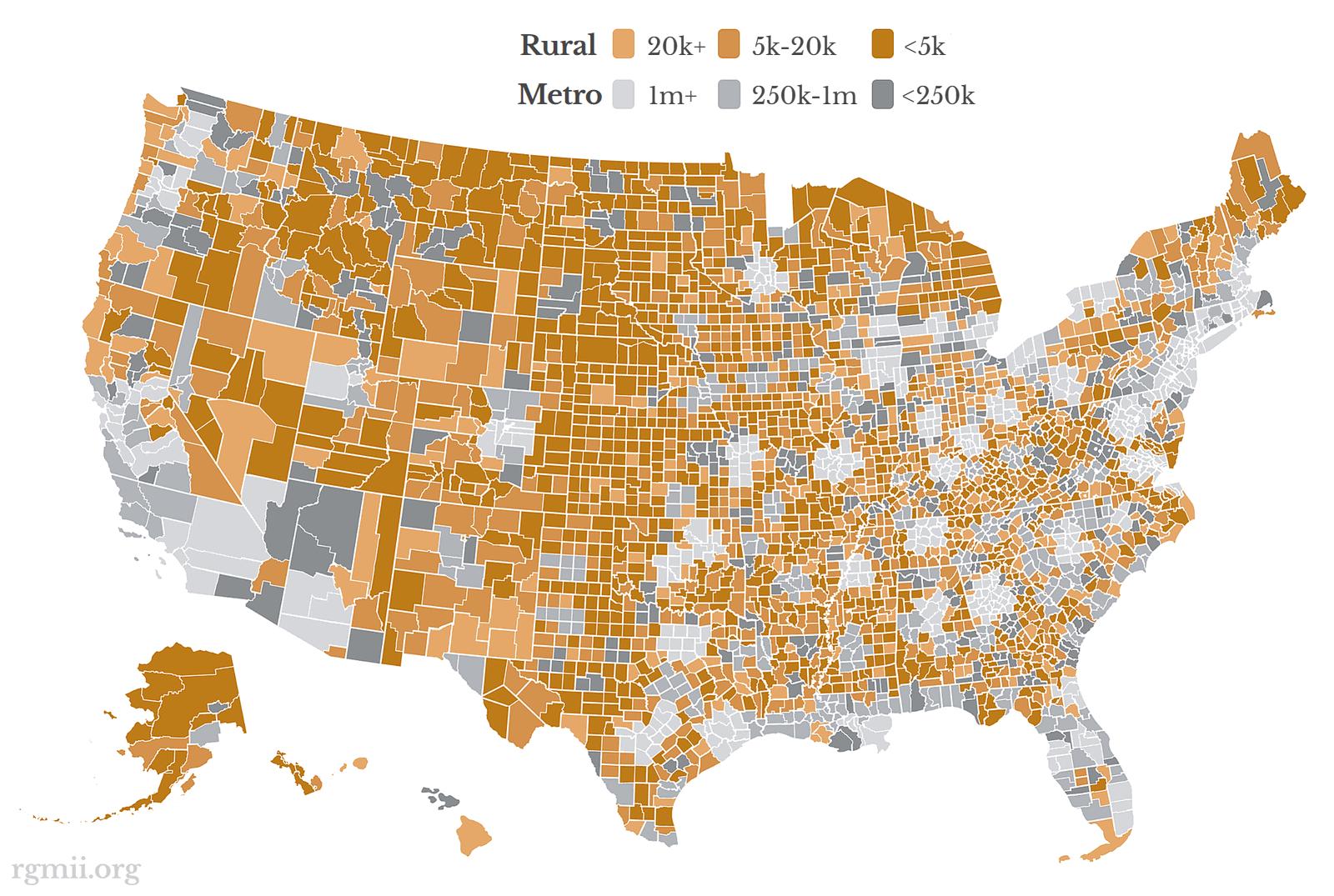
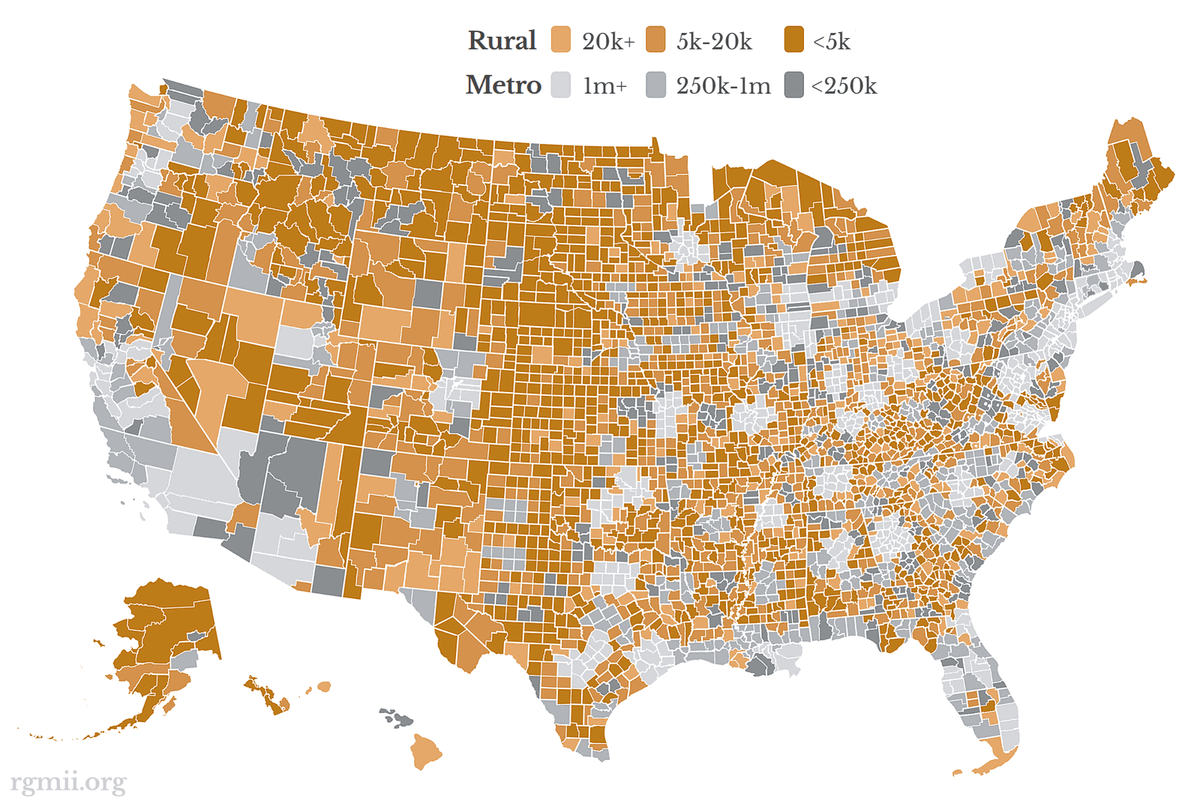
Unlike urban-centric programs, rural guaranteed minimum income addresses unique challenges: sparse populations, limited employment options, and fragile social safety nets. Cash transfers can stabilize households when seasonal work or agricultural downturns occur. This initiative pilots payments to low-income rural families, collecting data on outcomes like health, education, and local spending. The goal is to prove that unconditional cash can break cycles of poverty in places where other interventions have failed. Early findings, though not yet public, suggest improvements in food security and mental well-being.
8. The Importance of Community and Collective Action
The initiative’s success hinges on more than money. It requires building trust within communities and partnering with local leaders. Grants to organizations like the Rural Democracy Initiative and Civic Nation reflect a strategy to strengthen civic infrastructure. By funding groups that amplify rural voices, the initiative aims to create a feedback loop: residents identify needs, pilots test solutions, and lessons inform advocacy. This participatory model ensures that guaranteed income is not imposed from above but co-created with the people it serves.
9. Transparency and Accountability in Giving
Public accountability is a core principle. The full list of donations, amounts, and recipients is openly shared. This transparency serves multiple purposes: it invites scrutiny, encourages others to follow suit, and provides a template for large-scale philanthropy. By publishing the data, the initiative also contributes to research on effective giving. Researchers can analyze which types of organizations yield the greatest impact, helping to refine future funding decisions. This open-book approach builds credibility and trust among donors and the public.
10. How You Can Join the Movement
The initiative was never meant to be a solo effort. The original pledge invited all Americans to participate, whether through donations, volunteer time, or advocacy. For those inspired by the Rural Guaranteed Minimum Income Initiative, the call remains the same: identify effective organizations working on the frontlines of need, and commit to both immediate support and long-term structural change. Even small contributions, when multiplied across communities, can create a cascade of impact. As the founders say, “Stay gold, America.”
The Rural Guaranteed Minimum Income Initiative is more than a list of donations; it is a living experiment in what happens when wealth is consciously redirected toward equity. By blending emergency aid with systemic reform, and by grounding every action in the belief that everyone deserves the basics, it offers a replicable model for a fairer future. Whether you are a donor, a policymaker, or a concerned citizen, the lessons here can guide your own efforts to build a society where no one is left behind.