Nvidia has quietly moved forward the end-of-life dates for several of its older Jetson embedded AI processors, a decision driven by persistent global shortages of DDR4 memory modules. This 'RAMpocalypse' has made it increasingly difficult to source components for these legacy platforms, prompting the chipmaker to expedite their retirement. While not an abrupt cut-off, the accelerated timeline means developers and industrial users relying on these boards must plan their next steps. Below, we answer key questions about which modules are affected, why this change is happening, and what alternatives are available.
1. What recent change has Nvidia announced for its Jetson platform?
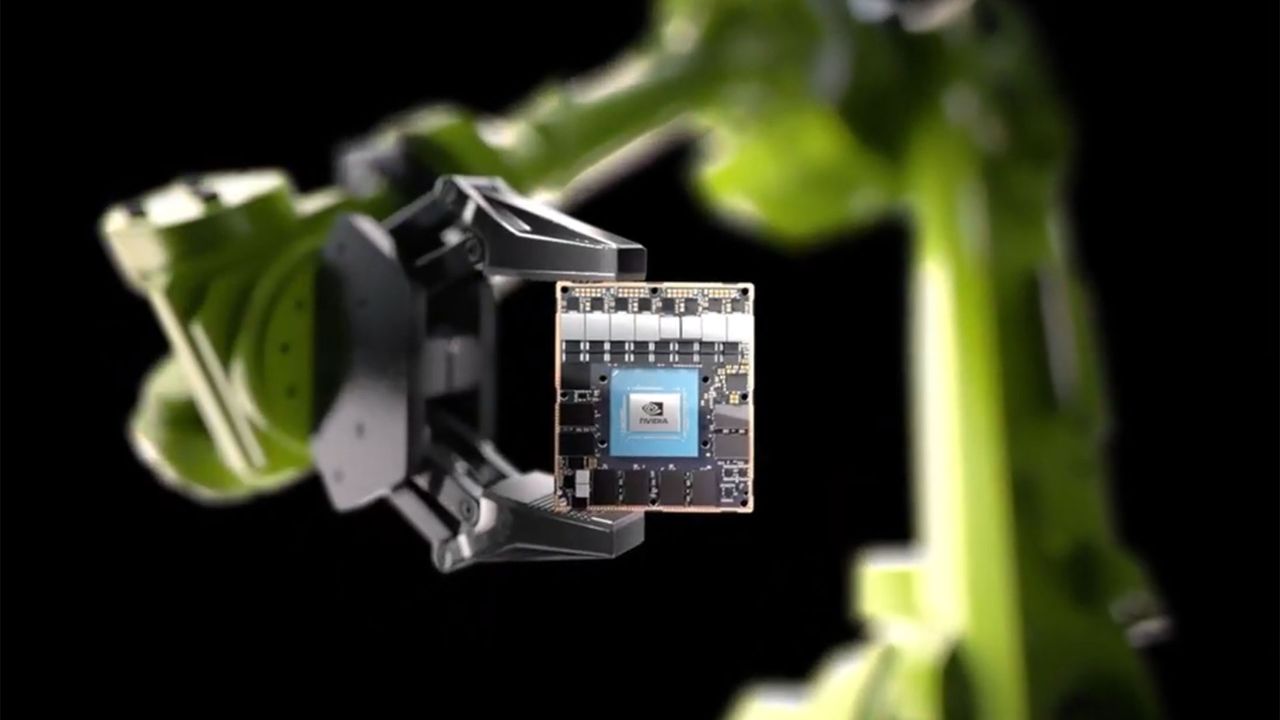
Nvidia is discontinuing certain older Jetson embedded computing modules earlier than originally planned. These are DDR4-based boards that have been widely used in AI edge devices, robotics, and smart cameras. The company has updated its product longevity documentation to reflect shorter production windows, effectively moving up the end-of-life milestones. For these specific models, new orders are no longer accepted, and the final shipments are scheduled to conclude ahead of prior commitments. This shift is not a sudden cancellation but a gradual phase-out accelerated by market circumstances.
2. Why is Nvidia accelerating the end-of-life for these processors?
The primary driver is the ongoing global shortage of DDR4 memory, often called the 'RAMpocalypse.' Older Jetson modules rely on DDR4 RAM, which has become scarce and expensive as suppliers shift production to newer DDR5 and LPDDR5 technologies. Nvidia can no longer guarantee adequate supply of these memory chips for continued manufacturing. Additionally, supporting aging architectures diverts engineering resources from newer platforms. By retiring these DDR4-based boards earlier, Nvidia can focus on its current Jetson lineup (e.g., Orin, Xavier NX) that use more modern memory standards, ensuring better performance and supply chain stability.
3. Which Jetson modules are affected by this discontinuation?
While Nvidia has not released a full public list, the accelerated end-of-life applies to older Jetson models that exclusively use DDR4 memory. This includes the Jetson TX1, Jetson TX2 (and its variants such as TX2i, TX2 4GB), and likely the original Jetson Nano (though Nano uses LPDDR4). The common factor is DDR4-based subsystems that are now facing component shortages. Newer modules like Jetson Xavier NX, AGX Xavier, and Orin series—which use LPDDR4x or LPDDR5—are not affected. Developers should check Nvidia's official device lifecycle page for model-specific dates.
4. How does this early retirement impact current users and ongoing projects?
For developers already deploying these Jetson modules in production, the main impact is reduced availability of new units and shorter support windows. If your project relies on Jetson TX1 or TX2, you may struggle to source replacements or scale up. Firmware and software updates will cease sooner than expected. Projects in mid-development risk being stuck with outdated hardware. However, existing boards will continue to function, and Nvidia will provide critical updates for a limited period. The key message: start planning a migration to a supported platform to avoid supply chain disruptions or performance obsolescence.
5. What alternatives does Nvidia offer for those affected?
Nvidia recommends migrating to its newer Jetson modules that use more modern memory technologies. The Jetson Orin NX and Orin Nano series are excellent replacements, offering higher AI performance and power efficiency. For applications that previously used TX2, the Jetson Xavier NX provides a comparable form factor with significantly improved computational capabilities. If budget is a concern, the Jetson Nano (4GB) remains available (though on LPDDR4, not DDR4) but note it too may face eventual phase-out. Nvidia also offers the Jetson AGX Orin for high-end use cases. All these alternatives have better software support and longer lifecycle commitments.
6. What is the timeline for the phase-out and when should developers act?
Nvidia has initiated the end-of-life process immediately for the affected DDR4-based modules. Last-time orders were accepted up to a recent date (varies by model), with final shipments expected within the next few months. Developers should assume that new stock will be unavailable within 3-6 months, and long-term support will taper off after that. The urgency depends on your project stage: if you're in prototyping, switch to an alternative as soon as possible. If your product is in mass production, secure enough inventory for your current run and begin a design revision. Waiting beyond six months risks extended downtime and higher costs.
For more details on supported Jetson platforms, see Nvidia's official documentation. If you have questions about specific models, consult the list of affected modules above or contact your distributor.