Introduction
For coffee enthusiasts, achieving the perfect cup is both an art and a science. University of Oregon chemist Christopher Hendon has long been fascinated by this challenge, dedicating significant research to understanding the myriad factors that influence coffee flavor. His latest breakthrough introduces a novel technique: using electrical current to measure the flavor profile of a coffee sample. Published in Nature Communications, this work could transform how we evaluate and replicate our favorite brews.
The Science of Coffee Extraction
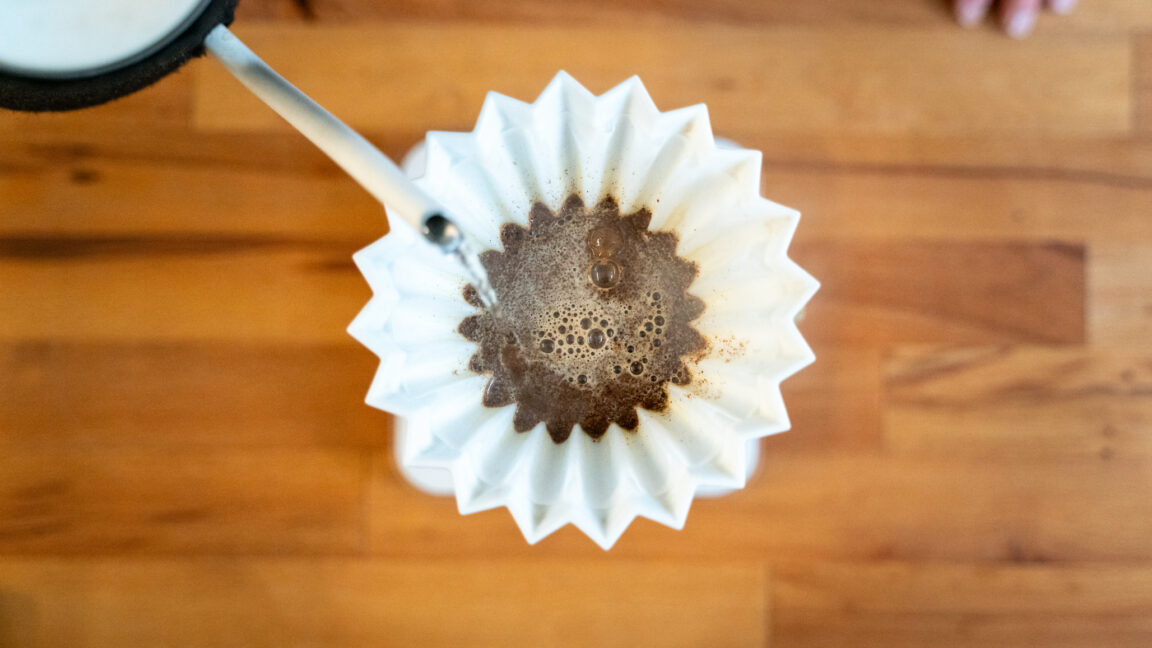
To appreciate Hendon's new method, it helps to understand the complexity of coffee extraction. A single cup of espresso contains roughly 2,000 different compounds extracted from ground coffee during brewing. This complexity makes it difficult for baristas to consistently produce the same high-quality cup. In 2020, Hendon and his colleagues developed a mathematical model to address this, focusing on a key measurable property called extraction yield (EY)—the fraction of coffee that dissolves into the final beverage.
How Extraction Yield Works
The model links extraction yield to water flow and pressure as liquid percolates through coffee grounds. By controlling these variables, the team aimed to minimize waste and ensure repeatability. Interestingly, the approach drew inspiration from battery technology: the way lithium ions propagate through a battery's electrodes is analogous to how caffeine molecules dissolve from coffee grounds.
From Batteries to Brewing
Hendon's 2020 work highlighted the parallel between electrochemical processes in batteries and coffee extraction. Now, his team has taken this idea a step further. The new study demonstrates that sending an electrical current through a brewed coffee sample can reveal its chemical composition. Different flavor compounds affect electrical conductivity in distinct ways, allowing researchers to map the beverage's flavor profile with precision.
Experimental Approach
The researchers applied a low-voltage current to coffee samples and measured the resulting electrical signals. By analyzing these signals, they could identify the presence and concentration of key compounds—such as acids, sugars, and bitter molecules—that define taste. This technique offers a rapid, non-destructive alternative to traditional chemical analysis.

A New Way to Measure Flavor
Conventional flavor assessment often relies on sensory panels or expensive laboratory equipment like gas chromatographs. Hendon's electrical method is simpler, faster, and more accessible. It could empower coffee producers and baristas to objectively evaluate batches, adjust brewing parameters, and maintain consistency without needing a chemist on hand.
- Speed: Results are available in seconds, not hours.
- Cost: Minimal equipment compared to advanced analytical tools.
- Reproducibility: Eliminates subjective tasting variations.
Implications for Coffee Lovers
While still in early stages, this technology could democratize flavor profiling. Imagine a future where coffee drinkers use a simple device—perhaps integrated into a coffee maker—to measure the quality of their brew in real time. For specialty coffee shops, it offers a way to certify that every cup meets the same high standard.
Challenges and Next Steps
Further research is needed to refine the technique and create a standard flavor database. Hendon's team is now working on correlating electrical measurements with specific taste notes, making the system more intuitive for everyday use.
Conclusion
Christopher Hendon's work bridges the gap between advanced materials science and everyday coffee enjoyment. By applying principles from battery technology to brewing, his team has opened a new window into understanding what makes a great cup of coffee. As this method develops, it promises to enhance both the art and science of coffee—one electrical pulse at a time.