Introducing the Intelligent Eyewear from Warby Parker
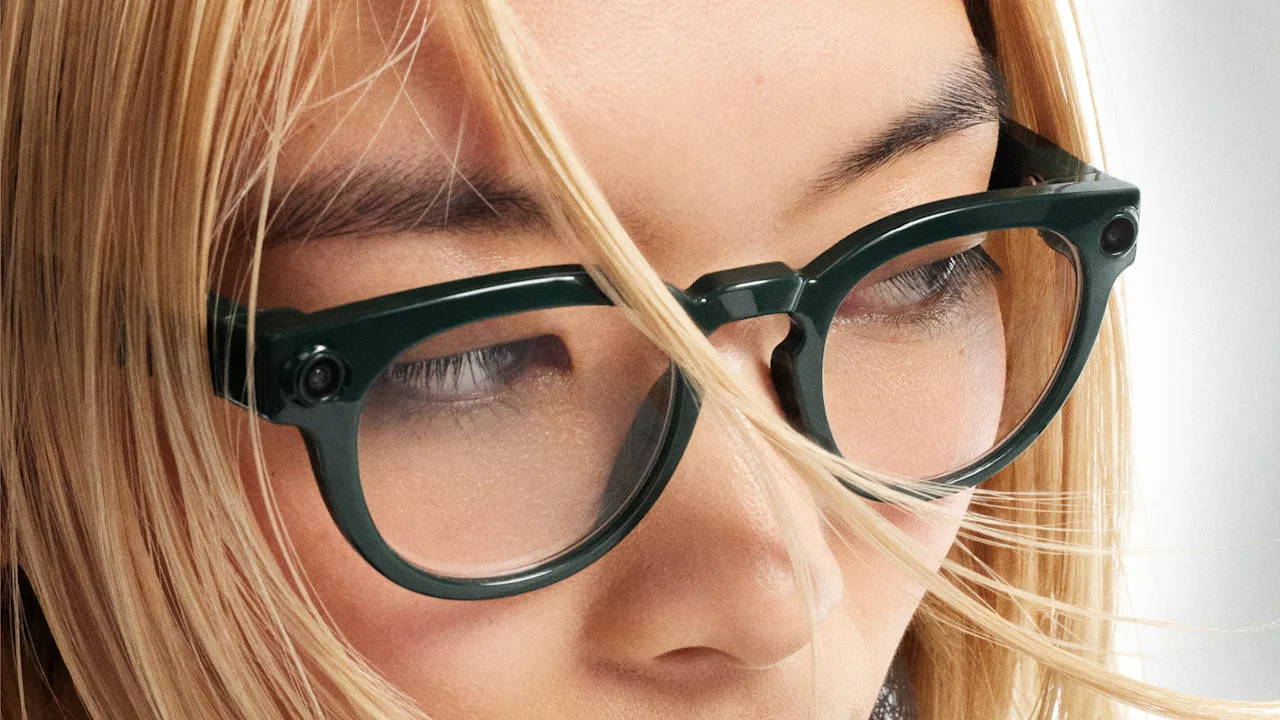
Warby Parker has stepped into the wearable tech arena with its debut smart glasses, developed in collaboration with Google and Samsung. Announced at Google I/O, the Intelligent Eyewear frames feature built-in speakers, cameras, and access to artificial intelligence, all housed in a lightweight, flexible dark green nylon frame available as both sunglasses and prescription glasses. The device runs on Google Gemini, the company’s advanced AI assistant, and Android XR, Google’s unified operating system for extended reality (XR) headsets and glasses. Pricing has not yet been disclosed, but comparable Meta Ray-Bans currently range from $390 to nearly $500, with some models on sale.
The Rapidly Expanding Smart Glasses Market
This launch signals a significant push into a category experiencing explosive growth. According to Bank of America, the global smart glasses market could generate $4.2 billion in revenue by 2028, up from less than $500 million in 2024. Warby Parker’s entry not only adds diversity to consumer choices but also intensifies competition with Meta, which has dominated the space since launching its Ray-Ban smart glasses in 2023.
Google’s Second Act in Wearable Tech
Google’s involvement is a strategic return to a sector it first explored with Google Glass in 2013. More recently, it introduced its first Android XR headset last fall, which Gizmodo called “the future of wearables” and CNET described as “like Apple Vision Pro for half the price.” Now, Google is bringing XR to a mainstream audience through the everyday form factor of Warby Parker glasses, designed for continuous use. Shahram Izadi, Google’s VP and GM for Android XR, told CNET that “XR is going to be the next frontier for Gemini, and for AI.” This partnership aims to carve out a significant share from Meta’s stronghold.
Practical Applications and Everyday Impact
Warby Parker co-founder and co-CEO Dave Gilboa envisions smart glasses fundamentally changing how users interact with their phones. By enabling calls, texts, emails, and calendar checks without reaching for a device, the glasses could reduce dependency on handheld screens. Gilboa shared personal anecdotes: he used the glasses for live instructions on making a balloon animal and for guidance while installing a car seat. He also reported that his smartphone screen time dropped by over 50% after wearing a prototype—receiving an alert that his screen time was down 60% “was pretty shocking,” he told Fast Company.
Navigating Privacy and Ethical Concerns
Despite the promise, the technology faces criticism due to broader backlash against AI and privacy worries about facial recognition and covert recording. As smart glasses become more capable, ensuring user and bystander privacy remains a key challenge for the industry.
With this launch, Warby Parker, Google, and Samsung are betting that stylish, AI-powered eyewear can transform daily digital interactions—and give Meta’s Ray-Bans some long-overdue competition.