The Retailer’s Remarkable Turnaround
Barnes & Noble has staged one of the most surprising comebacks in modern retail. Once on the brink of bankruptcy in 2019, the chain has since reversed its fortunes. In 2025, it opened 67 new locations across the United States, with plans for another 60 stores in 2026. Yet this momentum is now threatened by a controversy over artificial intelligence.
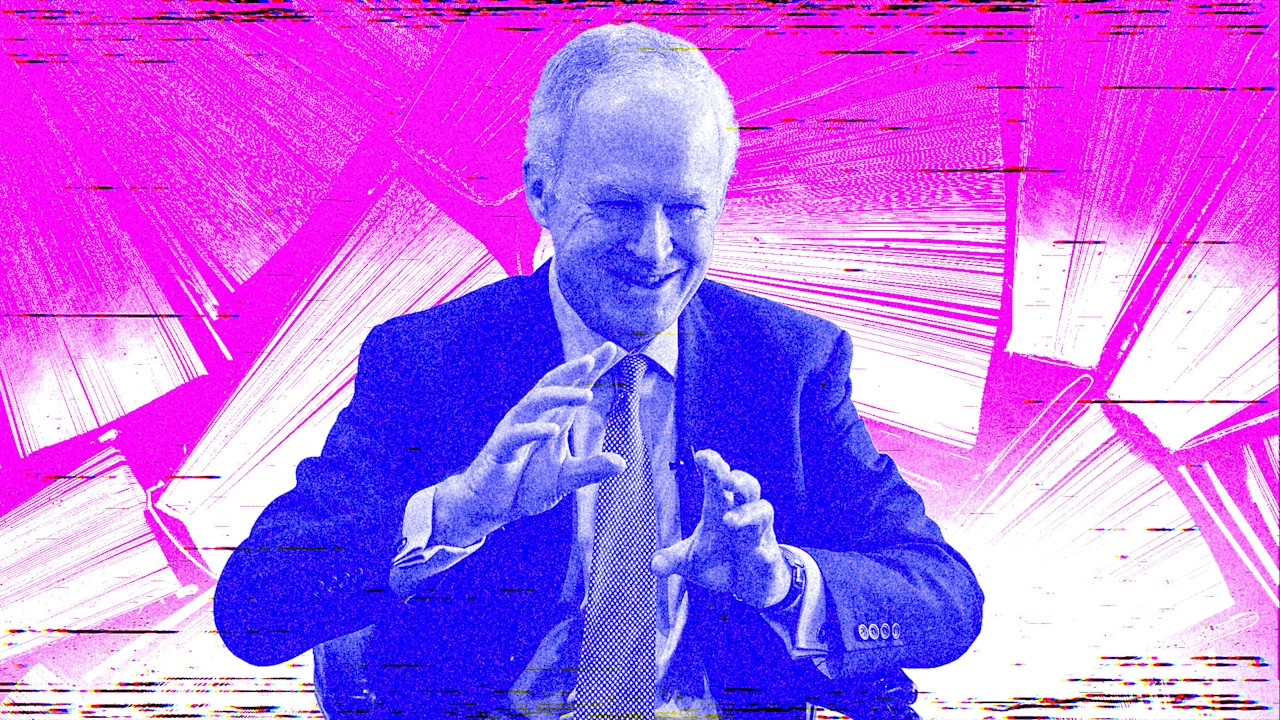
CEO James Daunt’s Stance on AI Written Books
In an interview with NBC News, CEO James Daunt outlined the company’s policy toward AI generated literature. He stated that Barnes & Noble would sell any book, regardless of its origin, provided it meets two conditions: it does not misrepresent itself, and it offers some essential quality that readers want. Daunt emphasized transparency, saying that any AI written book must be clearly labeled as such. He added, “As long as an AI-written book says it’s an AI-written book and doesn’t pretend to be something else and isn’t ripping off somebody else, as long as that’s clearly stated and the customer wants to buy it, then we will stock them.”
Admitting Unlabeled AI Books May Already Be on Shelves
Daunt acknowledged that the chain’s vast inventory of 300,000 titles might already include undisclosed AI generated content. “Do we think that some of those [titles] may be AI? The chances are that they are, but we’re not really conscious of them,” he admitted. Despite this, he remained unconcerned about the potential flood of machine authored books, stating, “At the moment, it seems unlikely to us that these AI-generated books are going to get much commercial traction. So I think it’s something that one should treat with common sense and acceptance.”
Social Media Backlash Erodes Goodwill
Daunt’s comments quickly ignited a storm on social media. Many book lovers and critics of AI expressed dismay, questioning why the chain would embrace a technology that many creatives view as a threat. A 2023 survey found that 53% of U.S. adults worry AI will diminish people’s ability to think creatively. One user lamented, “Barnes and Noble has had so much growth and gained so much goodwill and they’re throwing it away.” Another declared, “RIP B&N. You had a chance to brand yourselves as unwilling to sell slop and you blew it.”
Lack of Consumer Demand for AI Literature
The controversy comes at a time when demand for AI generated books appears minimal. Earlier this year, Hachette Book Group canceled its planned publication of S, a horror novel written with AI assistance, after public outcry. This suggests that while Barnes & Noble is willing to stock AI books, the marketplace may not be ready for them.
Implications for the Book Industry
The episode highlights a growing tension between traditional publishing values and the rapid advancement of AI. Barnes & Noble’s position—open acceptance as long as labeling is honest—may seem pragmatic, but it risks alienating the very customers who fueled its resurgence. How the company navigates this debate could shape its future—and the broader relationship between booksellers and technology.