In a recent interview, The Comeback co-creator Michael Patrick King discussed the third season's bold exploration of artificial intelligence in Hollywood. Known for Sex and the City and 2 Broke Girls, King explains why AI isn't just a tool but a potential extinction event for creativity. Below, we dive into his insights on the show's satirical take, the human desire behind automation, and the enduring legacy of sitcoms.
How does the new season of The Comeback tackle AI in entertainment?
In the just-completed third season, Valerie Cherish (Lisa Kudrow) signs on to star in a sitcom secretly written by artificial intelligence. Unlike other shows that merely highlight tech anxiety, The Comeback takes a darker, more uncomfortable angle. King and Kudrow focus less on warning about rogue machines and more on the human appetite that makes such displacement possible. The season becomes perhaps the show's bleakest punch line yet, satirizing the entertainment industry's nervousness about automation while examining our own complicity. King notes that the show has always targeted Hollywood's fresh indignities—from reality TV in 2005 to prestige cable's absurdities in 2014—and now AI is the next target.
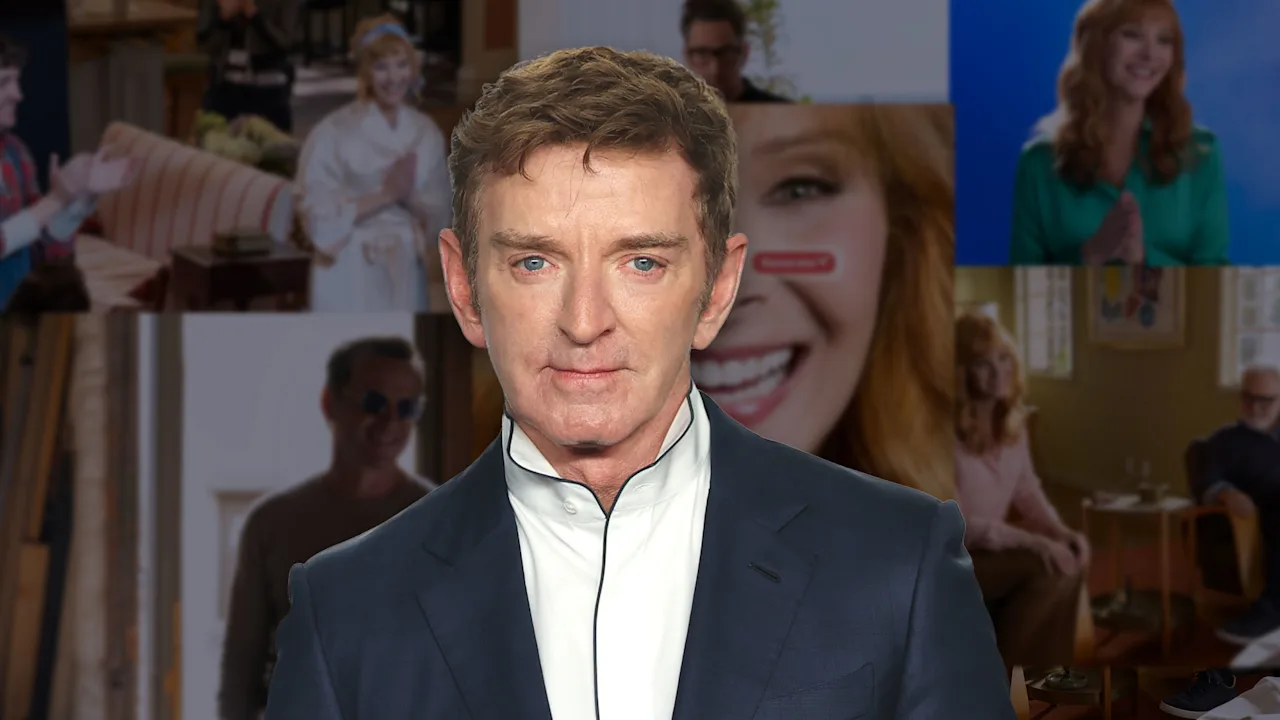
Why does King call AI an 'extinction event' for writing?
King said during the conversation, “I think artificial intelligence could be an extinction event for writing.” He argues that creativity is not about generating content efficiently but about capturing messy, human imperfections. AI, by contrast, smooths out the rough edges that make stories feel alive. When a machine writes a sitcom, it lacks the lived-in pain, humor, and spontaneity that come from human experience. King fears that if the industry embraces AI for cost-cutting, it will replace the very act of creating—turning writing into a transactional commodity. The show’s dark comedy serves as a warning: once we accept machine-made stories, we lose the spark that defines our culture.
What is the 'human appetite' King refers to regarding AI?
King is more interested in why we allow AI to replace human creativity than in the technology itself. He points out that audiences have a hunger for new content, and studios are eager to satisfy that demand cheaply. This appetite for constant, disposable entertainment makes us willing consumers of derivative work. In The Comeback, Valerie's desperation to stay relevant mirrors our collective tolerance for artificial storytelling. King suggests that the real danger isn't AI writing bad scripts—it's our willingness to accept them. By satirizing this dynamic, the show forces viewers to ask: are we complicit in the extinction of originality?
How does King's background in Scranton influence his work?
King grew up in Scranton, Pennsylvania, a city that produced playwrights like Stephen Karam (The Humans) and Jason Miller (That Championship Season). He jokingly notes that while Miller defeated the devil in The Exorcist, King himself “never defeated the devil, so I don’t get a plaque.” Yet Scranton’s blue-collar grit and rich storytelling tradition shaped his understanding of character-driven drama. He values the raw, unpolished voices that emerge from such places—voices that AI could never replicate. In his writing, whether for Sex and the City or The Comeback, he channels that sense of authenticity. The city's legacy reminds him that great writing often comes from specific, real communities, not from algorithmic formulas.
How does The Comeback satirize Hollywood's self-importance?
Over three seasons, The Comeback has targeted Hollywood’s evolving vanities. The 2005 season mocked reality television’s rise; the 2014 revival attacked prestige cable auteurs and the so-called “golden age” of TV. In the new season, the target is AI, but the satire remains the same: it exposes the absurd lengths celebrities go to for relevance. Valerie Cherish, a washed-up actress, becomes a symptom of an industry that values image over substance. King and Kudrow craft uncomfortable humor that forces viewers to see the emptiness beneath the glitter. By placing AI at the center, the show suggests that even our attempts to innovate are hollow if they lack human connection.
What does King think about the sitcom format's enduring appeal?
King believes the sitcom is a uniquely resilient form because it relies on rhythm, timing, and audience laughter—elements that AI misunderstands. A machine can generate jokes, but it cannot feel the pause that builds tension or the sigh that delivers relief. In The Comeback, the sitcom-within-a-sitcom becomes a metaphor for how real human messiness gets sanitized. King argues that the sitcom survives because it mimics real conversation, with all its awkwardness and grace. This unpredictability is what keeps viewers coming back. Without it, the format becomes sterile. So while AI can mimic structure, it can't replicate the joy of a perfectly timed punchline born from lived experience.
How does the interview reflect King's writing philosophy?
Throughout the interview, King emphasizes that writing is a human art—imperfect, messy, and deeply personal. He values the off-the-cuff moments, like his banter about Scranton, because they reveal character just as much as polished dialogue. For King, the threat of AI is not just about job loss but about losing the spontaneity that makes storytelling magical. He insists that every great script carries the fingerprint of its author—something a machine can never forge. The Comeback season three serves as both a warning and a celebration: a reminder that creativity, in all its flawed glory, is worth fighting for.